
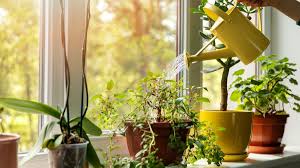
If you dream of transforming your home into a lush, tropical paradise, look no further than the Hawaiian Spider Plant (Chlorophytum comosum). Known for its graceful, arching leaves, air-purifying abilities, and low-maintenance nature, this plant is perfect for anyone who loves vibrant indoor greenery. With the right Hawaiian Spider Plant care, you can help it thrive beautifully in any corner of your home.
In this guide, you’ll learn everything about Hawaiian Spider Plant care from watering and lighting tips to propagation and maintenance — so your tropical houseplant stays healthy and stunning all year long.
Origins and Natural Habitat
The Hawaiian Spider Plant might sound like it’s native to Hawaii, but its true origins trace back to Tropical Africa. However, due to its adaptability, it has found a second home in the warm and humid environment of Hawaii’s rainforests.
In the wild, these plants flourish under the shade of towering trees, where indirect light filters through. Their ability to grow in a variety of soil conditions has allowed them to thrive both indoors and outdoors, making them an excellent choice for any plant enthusiast.
Climate Conditions
Hawaiian Spider Plants are true tropical dwellers. They flourish in warm, humid conditions with temperatures ranging from 65°F to 90°F. While they can tolerate some fluctuations, they despise cold weather, making them an ideal indoor plant in cooler regions.
Humidity plays a crucial role in their growth. In their natural environment, they enjoy humidity levels above 60%, which keeps their leaves lush and vibrant. If you live in a dry climate, consider placing your plant in a bathroom or kitchen, where humidity levels are naturally higher.
Soil and Watering Needs
These plants thrive in well-draining soil, such as a mix containing perlite or sand. This prevents root rot, a common issue caused by overwatering. In the wild, they receive moisture from rainfall and humid air, but indoors, it’s best to let the top inch of soil dry out before watering.
Overwatering can lead to problems like leaf scorch and brown tips. If you notice these signs, adjust your watering schedule and consider using filtered water to avoid issues caused by fluoridated water.
Wildlife Interactions
Though not a primary food source, Hawaiian Spider Plants contribute to their ecosystem by providing moisture and shelter to small insects and creatures. Their long, arching leaves create a microhabitat, offering protection for ground-dwelling bugs.
Interestingly, some birds and insects use the plantlets (babies) as materials for their nests. While your indoor plant may not host the same biodiversity, it still adds life and vibrancy to your home.
Threats and Challenges
Despite their adaptability, Hawaiian Spider Plants face competition from invasive species in the wild. They must fight for nutrients, water, and space, much like other resilient tropical plants.
At home, their biggest threats include spider mites and aphids. Regularly inspect the leaves for small webs or discolored spots. Keeping your plant clean and misting it occasionally can help prevent infestations.
Reproduction and Growth
One of the most exciting aspects of Hawaiian Spider Plants is their ability to propagate effortlessly. They reproduce through stolons (runners) that grow baby plants (plantlets) at their tips. These plantlets develop roots and can be planted separately.
For home propagation, wait for a plantlet to develop roots, then snip it off and place it in well-draining soil. With minimal effort, you can expand your plant collection and share these beauties with friends!
Adaptations for Survival
The Hawaiian Spider Plant has developed unique adaptations to ensure its survival. Its fleshy roots store water, allowing it to withstand periods of drought. This is why it remains resilient even if you forget to water it occasionally.
Additionally, the variegated coloring of its leaves helps reflect excess sunlight, preventing overheating. These smart adaptations make it one of the easiest and most forgiving plants to care for indoors.
Benefits of Hawaiian Spider Plants
1. Air-Purifying Prowess
Hawaiian Spider Plants are known for their ability to filter out toxins like formaldehyde and carbon monoxide, making them an excellent choice for improving indoor air quality.
2. Easy on the Eyes
Their graceful, cascading leaves and green-and-white striped foliage add an elegant touch to any space, enhancing the ambiance of your home.
3. Low Maintenance
Perfect for beginners and busy plant owners, they thrive with minimal care and adapt well to various conditions.
Care Guide for Hawaiian Spider Plants
Placement
Choose a spot with bright, indirect light. Too much direct sun can scorch the leaves, while too little can slow growth.
Keep it Happy
Water when the top inch of soil is dry and use a well-draining potting mix to prevent root rot.
Baby Talk
Pruning off plantlets helps the parent plant stay healthy and allows you to grow new plants effortlessly.
Sun or No Sun?
These plants prefer indirect sunlight but can tolerate lower light levels.
Brown Tips Dilemma
Brown tips are often caused by fluoridated water or overwatering. Trim them for a neater appearance and adjust your care routine.
Answering Your Burning Questions
Where should I put my spider plant?
Place it near an east or north-facing window where it gets plenty of indirect sunlight.
How do you make a spider plant happy?
Keep it in well-draining soil, provide moderate humidity, and water it when the top inch of soil dries out.
Should I cut the babies off my spider plant?
Yes! Cutting off mature plantlets encourages new growth and keeps the parent plant strong.
Do spider plants need sun?
They love bright, indirect light but can tolerate low-light conditions.
Should I cut the brown tips off?
Absolutely! Trimming brown tips keep your plant looking fresh and healthy.
What are the disadvantages of spider plants?
The only downside? They can be toxic to pets if ingested, so keep them out of reach of curious furry friends.
Final Thoughts
The Hawaiian Spider Plant is the perfect addition to any home, offering beauty, air-purifying benefits, and effortless care. Whether you’re a seasoned gardener or a plant newbie, this tropical gem is a must-have.
At Cafe Planta, we’re here to help you cultivate a thriving green space. Ready to add a touch of the tropics to your home? Start your plant journey today!
